
On This Page
On This Page- Why the Iran Conflict Can Affect Gas Prices
- What Higher Gas Prices Mean for a Household Budget
- Could Grocery Prices Go Up Too?
- Will Utility Bills Increase?
- What Could Happen to Mortgage Rates?
- Could Higher Energy Costs Keep Mortgage Rates Elevated?
- What Should Homebuyers Do Right Now?
- Should Buyers Wait for the Perfect Mortgage Rate?
- What Consumers Should Watch Next
- The Bottom Line
Iran War Escalates: What It Could Mean for Gas, Groceries, Utilities, and Mortgage Rates Renewed fighting between the United States and Iran is creating another wave of uncertainty, but investors are not the only people watching. American households are already seeing the clearest effect at the gas pump. The bigger question is whether prolonged conflict […]
Iran War Escalates: What It Could Mean for Gas, Groceries, Utilities, and Mortgage Rates
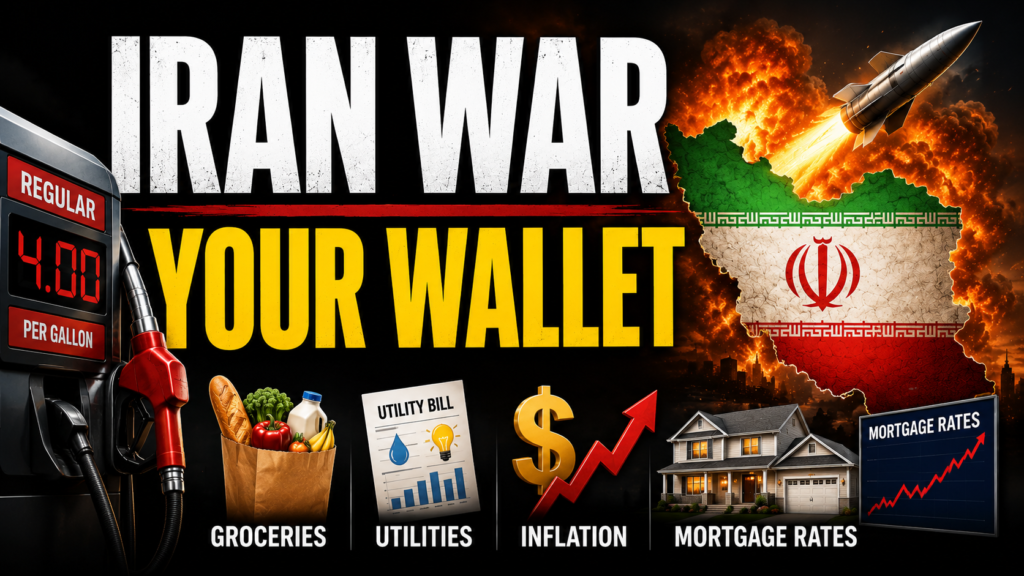
Renewed fighting between the United States and Iran is creating another wave of uncertainty, but investors are not the only people watching.
American households are already seeing the clearest effect at the gas pump. The bigger question is whether prolonged conflict could eventually put more pressure on grocery bills, utility costs, inflation, and mortgage rates.
The quick answer: Gas prices can react quickly when conflict threatens major oil-shipping routes. Other household costs may rise more gradually and unevenly. Mortgage rates can also move, but they do not always react to geopolitical events in the same way as oil and gasoline.
Why the Iran Conflict Can Affect Gas Prices
The Strait of Hormuz is one of the most important oil-shipping routes in the world. A significant share of global oil supplies moves through the area.
When fighting threatens ships, ports, refineries, or the safe movement of oil, traders begin pricing in the possibility of tighter supplies.
That can push crude-oil prices higher even before a complete shutdown occurs. Shipping costs, insurance expenses, refinery disruptions, and fears about future supply can all influence what consumers eventually pay.
Crude oil is generally the largest component of the retail price of gasoline. That is why conflict affecting oil supplies can show up at neighborhood gas stations relatively quickly.
What Higher Gas Prices Mean for a Household Budget
A price increase may look small when measured by the gallon, but it adds up for households that drive frequently.
For example, a household buying 40 gallons of gasoline per week would spend an additional $20 each week if the price increased by 50 cents per gallon. That comes to about $87 per month.
Families with long commutes, multiple vehicles, less fuel-efficient cars, or limited public transportation may feel the increase more sharply.
Higher diesel prices can also affect trucking, deliveries, construction, agriculture, and other industries that depend heavily on transportation.
Could Grocery Prices Go Up Too?
Possibly, but shoppers should not expect every grocery item to rise immediately or by the same amount.
Energy costs are only one part of the price consumers pay for food. Farmers use fuel and energy, while processors, refrigerated warehouses, trucking companies, and grocery stores also face transportation and operating expenses.
If oil and diesel prices remain elevated for an extended period, those higher costs can place additional pressure on food production, transportation, and retailing.
However, grocery prices also depend on weather, crop conditions, labor expenses, consumer demand, supply-chain problems, animal disease, packaging, and competition among retailers.
That means an increase in oil does not produce an immediate one-for-one increase at the checkout counter.
Higher energy costs can contribute to food-price inflation, but the effect usually takes time and varies by product.
Will Utility Bills Increase?
The answer depends heavily on where you live, how your home is heated, and how your local electricity provider generates power.
A household that depends on heating oil may experience a different effect than one whose electricity comes primarily from natural gas, nuclear power, coal, hydroelectric facilities, or renewable energy.
Utilities also purchase fuel through different contracts and schedules. Some companies lock in part of their supply costs in advance, which can delay the effect of a sudden market increase.
For that reason, it would be inaccurate to say the Iran conflict has already raised every household’s utility bill.
A prolonged energy disruption could increase pressure on certain heating, electricity, and transportation-related expenses. The effect would not be immediate or identical across the country.
U.S. 10 Year Treasury
What Could Happen to Mortgage Rates?
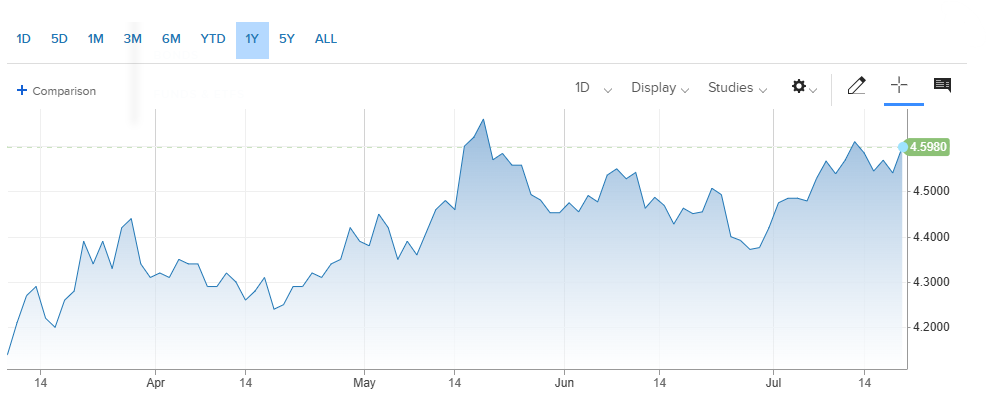
Mortgage rates often move in the same general direction as longer-term bond yields, especially the 10-year Treasury yield.
For a deeper explanation, read why the 10-year Treasury yield matters for mortgage rates.
However, geopolitical conflict does not push bond yields in only one direction.
Higher oil prices can increase inflation concerns. Investors may then demand higher yields from long-term bonds, which can place upward pressure on mortgage rates.
At the same time, fear and financial uncertainty can send investors toward U.S. Treasury securities because they are widely viewed as safer assets. Strong demand for Treasuries can lower their yields.
Those competing forces help explain why mortgage rates may move only modestly even when oil and gasoline prices rise sharply.
Our guide to what actually drives mortgage rates explains the other economic and market forces borrowers should watch.
Individual mortgage offers can also vary based on credit, down payment, loan type, points, property, lender, and overall market conditions.
Could Higher Energy Costs Keep Mortgage Rates Elevated?
Yes, especially if higher energy costs contribute to broader and more persistent inflation.
Inflation matters because lenders and bond investors care about the future value of fixed payments. When inflation expectations rise, investors may demand higher yields to compensate for reduced purchasing power.
However, one week of higher oil prices does not determine the direction of mortgage rates for the rest of the year.
Markets will also watch employment, consumer spending, inflation reports, Federal Reserve policy, Treasury demand, economic growth, and whether the conflict continues to disrupt oil supplies.
What Should Homebuyers Do Right Now?
Homebuyers should not make a major decision based only on one week of geopolitical headlines or mortgage-rate movement.
Instead, focus on the parts of the purchase you can control:
- Review your credit reports and correct legitimate errors.
- Reduce expensive revolving debt when possible.
- Compare loan estimates from more than one lender.
- Calculate the complete housing payment, including taxes, insurance, mortgage insurance, and homeowners association fees.
- Keep emergency savings available after closing.
- Consider how higher transportation, insurance, grocery, and utility costs affect your real monthly budget.
- Avoid assuming that mortgage rates will fall by a certain date.
A home may technically fit a lender’s approval calculation while still placing too much pressure on the rest of your household budget.
Before setting a purchase target, consider how much house you can comfortably afford not only what a lender may approve.
That distinction becomes even more important when gasoline and other everyday expenses are volatile.
Should Buyers Wait for the Perfect Mortgage Rate?
There is no reliable way to know when the “perfect” rate will arrive.
Waiting may help if rates fall, but home prices, inventory, rent, personal finances, and competition can also change during that time.
Buying now is not automatically the right answer either. The payment must fit comfortably, the home must meet your needs, and the purchase should make sense for your expected timeline.
The more practical approach is to compare the options available today and decide whether the complete payment fits your finances without relying on a future refinance.
What Consumers Should Watch Next
The financial impact of the conflict will depend on what happens next.
Watch these areas:
- Oil prices: Continued increases would raise the risk of additional pressure at the pump.
- The Strait of Hormuz: Shipping disruptions could affect global oil and refined-fuel supplies.
- Gasoline and diesel: Diesel is especially important for trucking, agriculture, and deliveries.
- Inflation reports: Broader inflation pressure could influence bond yields and interest-rate expectations.
- The 10-year Treasury yield: Mortgage rates often follow its general direction.
- Weekly mortgage-rate reports: These provide a consistent view of national rate movement.
- The duration of the conflict: A short disruption may have a very different economic effect than prolonged fighting.
The Bottom Line
Renewed conflict with Iran can affect American wallets through higher oil and gasoline prices.
Groceries, utilities, inflation, and mortgage rates could face additional pressure if energy disruptions persist, but those effects are less immediate and will vary by household, location, and market conditions.
For homebuyers, the goal should not be to predict every international development. Focus on building a budget that can withstand changes in transportation, food, insurance, utilities, and borrowing costs.
Loan Under Review provides general educational information and is not a lender, financial adviser, or investment adviser. Mortgage rates and household costs can change quickly. Verify current information and evaluate financial decisions based on your individual circumstances.
Mortgage guidelines and lender requirements can change. This article is general education, not financial, legal, lending, or appraisal advice. Confirm requirements for your situation with an appropriate qualified professional.