Mortgage News

Mortgage news and market updates explained for borrowers. Rate movement, Fed decisions, housing trends, and what the latest mortgage headlines actually mean for real loan decisions.

Mortgage News, Weekly Market Update

How War, Oil, and Inflation Can Quietly Push Mortgage Rates Higher

Mortgage rates don’t exist in a bubble.

Most people assume mortgage rates move only because of the Federal Reserve. That’s partially true, but the reality is a lot more complicated. Global events, especially geopolitical conflicts, can ripple through the economy and end up affecting something as ordinary as a home loan.

The recent conflict involving Iran is a good example. Even though it may seem unrelated to housing, events like this can influence mortgage rates through a chain reaction in the global economy.

Let’s break down how that actually works.

Why Global Events Affect Mortgage Rates

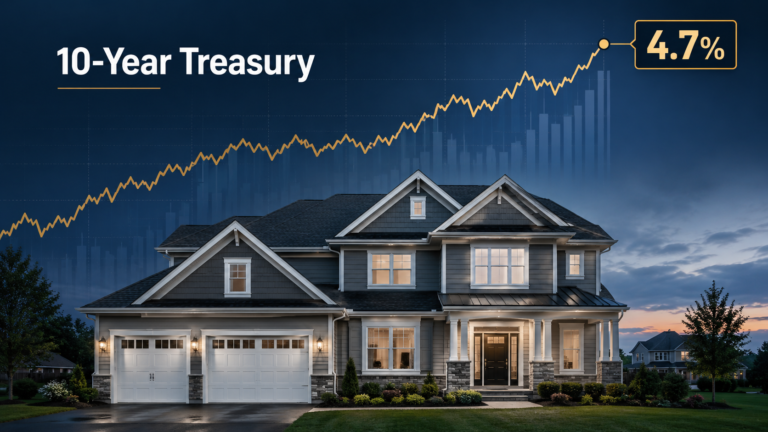
Mortgage rates are closely tied to long term government bond yields, especially the 10 year U.S. Treasury.

Investors around the world buy and sell these bonds constantly. When economic expectations change, those yields move. When Treasury yields rise, mortgage rates almost always move in the same direction.

That means mortgage rates can react quickly to events happening thousands of miles away.

In times of geopolitical tension, investors start asking one big question: will this create inflation?

If the answer might be yes, interest rates usually move higher.

The Oil Connection

Many conflicts in the Middle East involve regions that play a major role in global oil production.

When markets worry about supply disruptions, oil prices tend to rise. Even the possibility of reduced supply can push energy prices higher very quickly.

Oil is not just about gasoline. Energy costs affect nearly every part of the economy.

Shipping
Manufacturing
Air travel
Agriculture
Food transportation

When oil becomes more expensive, those costs spread throughout the system. Businesses raise prices, transportation gets more expensive, and inflation pressures increase.

That’s when financial markets start reacting.

Inflation Expectations and Bond Yields

Investors who buy government bonds are essentially lending money for long periods of time.

If inflation rises, the value of the money they get back later is worth less. Because of that risk, investors demand higher returns when inflation expectations increase.

That pushes Treasury yields higher.

Since mortgage rates are closely linked to those yields, mortgage rates tend to rise as well.

This is why global events that influence inflation expectations can affect mortgage pricing even if the housing market itself hasn’t changed.

Why Mortgage Rates Can Move So Fast

Housing markets move slowly. Financial markets do not.

Mortgage rates are influenced by the bond market, which reacts instantly to news, economic reports, and global developments.

A sudden jump in oil prices or geopolitical tension can cause bond traders to adjust expectations within hours. Lenders then adjust mortgage pricing based on those movements.

Sometimes that can push rates up very quickly even when nothing about housing supply or home demand has changed.

What This Means for Home Buyers

For buyers watching mortgage rates closely, this can be frustrating.

Rates can move because of events that seem completely unrelated to real estate. Wars, trade disputes, energy shocks, and global political instability can all influence borrowing costs.

Trying to perfectly time the lowest possible mortgage rate is nearly impossible.

Rates move based on complex economic forces, many of which are unpredictable.

That’s why many lenders tell buyers the same thing: focus on whether the home purchase makes sense for your budget rather than trying to catch the absolute lowest rate.

If rates fall later, refinancing is often an option.

Understanding What Really Drives Mortgage Rates

One of the biggest misconceptions in housing is that the Federal Reserve directly controls mortgage rates.

In reality, the relationship is more indirect. The Fed influences short term interest rates and overall financial conditions, but mortgage rates move primarily with the bond market.

Global economic conditions, inflation expectations, and investor behavior all play a role.

If you want a deeper breakdown of the factors that move mortgage rates, you can read more here:
https://loanunderreview.com/what-actually-drives-mortgage-rates-in-todays-housing-market/

Understanding this bigger picture helps explain why rates sometimes change even when the housing market itself looks stable.

What to Watch Going Forward

Mortgage rates are likely to remain sensitive to global economic developments.

Energy prices
Inflation data
Treasury yields
Federal Reserve signals
Geopolitical stability

All of these factors can influence the direction of rates.

The important thing for buyers and homeowners to understand is that mortgage rates reflect much more than housing demand. They are tied to the broader financial system and the global economy.

Events happening across the world can eventually show up in something as local and personal as a monthly mortgage payment.

What This Means for Borrowers

For most buyers, the best approach is to focus on long term affordability rather than short term rate movements.

Mortgage markets will always move up and down. Global events will continue to influence financial markets.

But housing decisions are usually made over decades, not weeks.

Understanding why rates move can help remove some of the mystery behind those changes and make the home buying process a little easier to navigate.

Scroll to Top