On This Page
On This Page- FHA Loans Are Structured, Not Flexible
- Incomplete or Late Documentation
- FHA Appraisal Repairs
- Utilities Not On at the Time of Appraisal
- Employment or Income Changes
- Credit Issues Discovered Late
- Title and Property Ownership Issues
- Seller Resistance to FHA Requirements
- Slow Response Times
- How Borrowers Can Avoid FHA Loan Delays
- How Sellers and Agents Can Help
- When Delays Are Unavoidable
- Final Thoughts
FHA loans have a reputation for being slow or difficult, but most delays have nothing to do with FHA itself. In almost every case, delays happen because of documentation gaps, property issues, or misunderstandings about how the process works. This article explains the most common reasons FHA loans get delayed and what borrowers, sellers, and […]
FHA loans have a reputation for being slow or difficult, but most delays have nothing to do with FHA itself. In almost every case, delays happen because of documentation gaps, property issues, or misunderstandings about how the process works.
This article explains the most common reasons FHA loans get delayed and what borrowers, sellers, and agents can do to avoid those delays before they become problems.
FHA Loans Are Structured, Not Flexible
FHA loans follow a defined set of rules. Those rules exist to protect borrowers, lenders, and the insurance fund that backs the loan. Unlike some conventional loans, FHA does not allow lenders to ignore issues or make judgment calls when requirements are not met.
When something is missing or out of compliance, the loan pauses until it is resolved. That pause is what borrowers experience as a delay.
Incomplete or Late Documentation
The most common cause of FHA loan delays is missing or outdated paperwork.
Underwriters must verify income, assets, employment, and credit. If documents are incomplete, unclear, or outdated, the underwriter cannot move forward.
Common documentation issues include:
- Missing pages of bank statements
- Pay stubs that are too old
- Unexplained deposits
- Inconsistent income documentation
- Delayed letters of explanation
Borrowers often underestimate how precise documentation needs to be. Submitting everything requested, exactly as asked, is one of the easiest ways to avoid delays.
FHA Appraisal Repairs
FHA appraisals do more than determine value. They also confirm that the property meets minimum property standards related to safety, security, and livability.
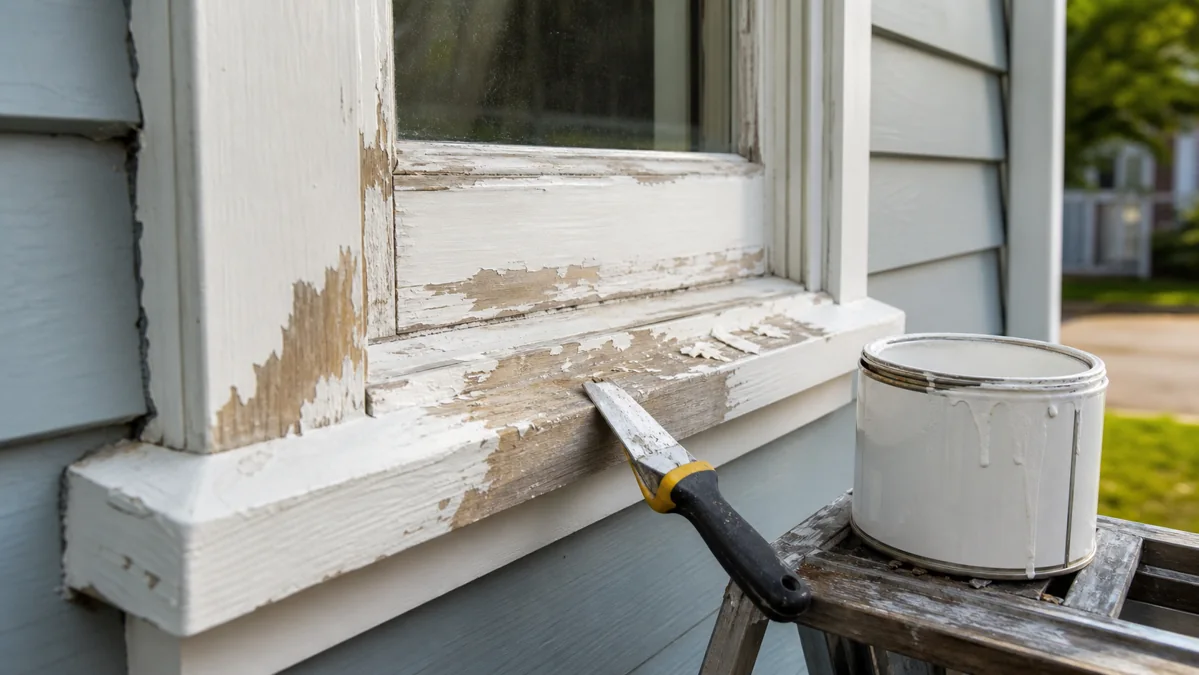
When an appraiser identifies issues such as peeling paint, missing handrails, roof concerns, or inoperable utilities, repairs may be required before the loan can close.
Repair-related delays usually occur because:
- Sellers resist making repairs
- Contractors are unavailable
- Repairs are completed incorrectly
- Re-inspections are delayed
FHA does not allow these issues to be waived. Planning for potential repairs early helps keep timelines realistic.
Utilities Not On at the Time of Appraisal
FHA appraisers must confirm that major utilities are on and functioning. If water, electricity, or gas are off at the time of inspection, the appraisal may be incomplete.
This often leads to:
- Appraisal revisions
- Return trips by the appraiser
- Added inspection fees
- Scheduling delays
Ensuring utilities are active before the appraisal is scheduled is a simple step that prevents unnecessary setbacks.
Employment or Income Changes
FHA underwriting relies heavily on stable, documented income. Any changes during the loan process can trigger additional review.
Common issues include:
- Job changes
- Reduced hours
- Switching from hourly to commission pay
- Gaps in employment
- Self-employment income inconsistencies
Even positive changes can slow things down. Borrowers should avoid making employment changes until after closing whenever possible.
Credit Issues Discovered Late
Sometimes credit issues surface after underwriting begins. This may happen when new accounts appear, balances increase, or collections require explanation.
Examples include:
- New credit inquiries
- Large purchases on credit cards
- Disputed accounts
- Unresolved collections
These issues can affect debt-to-income ratios or require additional documentation, both of which slow the process.
Title and Property Ownership Issues
Title problems are another frequent source of FHA delays. These issues are not related to the borrower’s credit or income but must be resolved before closing.
Common title issues include:
- Outstanding liens
- Ownership discrepancies
- Unreleased mortgages
- Judgments attached to the property
Title issues take time to resolve and are often outside the borrower’s control. Early title work helps identify problems sooner.
Seller Resistance to FHA Requirements
Some sellers are unfamiliar with FHA requirements and resist making repairs or accommodating FHA timelines.
This can lead to delays when:
- Repairs are negotiated late
- Sellers question FHA standards
- Contractors are not scheduled promptly
Clear communication early in the transaction helps set expectations and reduce friction.
Slow Response Times
Delays are often the result of simple communication breakdowns.
When borrowers, agents, or sellers take several days to respond to requests, timelines stretch quickly. FHA loans involve multiple parties, and progress depends on everyone staying engaged.
Fast responses keep the file moving.
How Borrowers Can Avoid FHA Loan Delays
Borrowers play a major role in keeping FHA loans on track.
Steps that help include:
- Submitting complete documents upfront
- Responding quickly to lender requests
- Keeping finances stable
- Avoiding large deposits or purchases
- Asking questions early instead of guessing
Preparation reduces surprises later.
How Sellers and Agents Can Help
Sellers and agents also influence timelines.
Helpful actions include:
- Activating utilities before appraisal
- Addressing obvious repair issues early
- Scheduling contractors promptly
- Understanding FHA appraisal expectations
When everyone understands the process, delays are easier to prevent.
When Delays Are Unavoidable
Not all delays can be prevented. Appraiser availability, weather conditions, and third-party verifications sometimes slow things down despite best efforts.
The key is recognizing the difference between preventable delays and unavoidable ones. Patience and communication go a long way in both cases.
Final Thoughts
FHA loans do not fail or delay randomly. Most delays have clear causes that can be identified and addressed early.
Understanding why FHA loans get delayed helps borrowers manage expectations, respond faster, and avoid unnecessary stress. When the process is respected and prepared for, FHA loans move smoothly and close successfully.
Mortgage guidelines and lender requirements can change. This article is general education, not financial, legal, lending, or appraisal advice. Confirm requirements for your situation with an appropriate qualified professional.