On This Page
On This Page- Sellers Are Not Required to Accept FHA Loans
- Why Sellers Hesitate With FHA Loans
- FHA Appraisal Repair Requirements
- Fear of Appraisal Delays
- Property Condition Concerns
- Seller Misconceptions About FHA Buyers
- How Sellers Can Refuse FHA Loans
- Refusing an FHA Offer Upfront
- Rejecting FHA During Offer Review
- Can a Seller Accept FHA but Refuse Repairs
- How Buyers Can Improve FHA Offer Acceptance
- Strong Preapproval and Documentation
- Competitive Pricing and Terms
- Repair Strategy Discussions Upfront
- When FHA Is the Right Choice Despite Seller Resistance
- When FHA May Be a Tough Fit
- What Buyers Should Do If an FHA Offer Is Rejected
- Final Thoughts
Yes, a seller can refuse an FHA loan. But the reason why matters, and it’s often misunderstood. Many buyers hear that sellers “don’t like FHA” and assume FHA loans are risky or unreliable. In reality, FHA loans close every day. What sellers usually object to is not the loan itself, but the additional requirements that […]
Yes, a seller can refuse an FHA loan. But the reason why matters, and it’s often misunderstood.
Many buyers hear that sellers “don’t like FHA” and assume FHA loans are risky or unreliable. In reality, FHA loans close every day. What sellers usually object to is not the loan itself, but the additional requirements that come with it.
This article explains when a seller can refuse an FHA loan, why sellers sometimes do, and what buyers should understand before making an offer.
Sellers Are Not Required to Accept FHA Loans
There is no law that requires a seller to accept an FHA-backed buyer. A seller can choose which offer to accept based on price, terms, timeline, and perceived risk.
If a seller receives multiple offers, they can legally favor:
- Cash offers
- Conventional loans
- FHA loans
- Any offer that best fits their goals
Refusing an FHA loan is allowed as long as the decision is not based on discrimination against a protected class. The loan type itself is not protected.
Why Sellers Hesitate With FHA Loans
Sellers who resist FHA offers usually do so for practical reasons, not personal ones.
The most common concern is the FHA appraisal.
FHA Appraisal Repair Requirements
FHA appraisals include health and safety standards that do not apply to all conventional loans. If the appraiser identifies issues, repairs may be required before closing.
Common FHA repair triggers include:
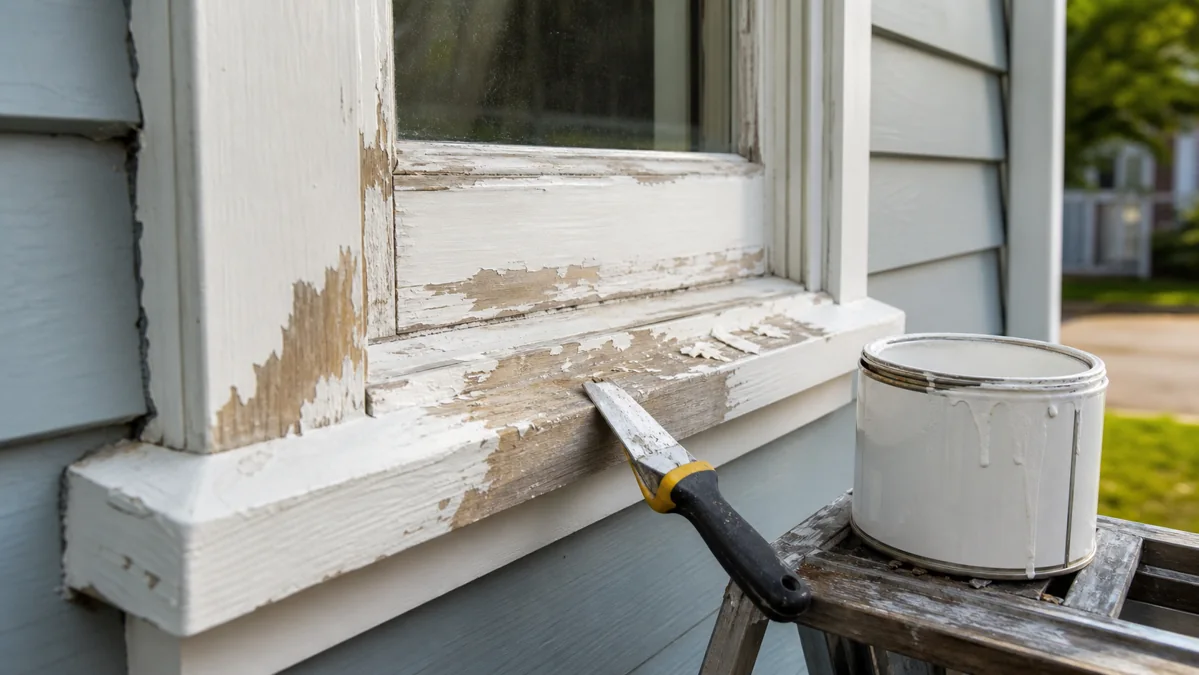
- Peeling paint on older homes
- Missing handrails
- Roof condition concerns
- Exposed wiring
- Inoperable utilities
- Trip hazards
Sellers who do not want to make repairs may avoid FHA buyers to reduce the chance of delays or renegotiation.
Fear of Appraisal Delays
Some sellers believe FHA appraisals take longer or are harder to schedule. While this is not always true, the perception persists.
In competitive markets, sellers often prioritize offers that promise faster and more predictable closings. FHA’s additional review steps can feel less certain to sellers unfamiliar with the process.
Property Condition Concerns
Sellers with older homes, fixer-uppers, or inherited properties may know the home will not meet FHA minimum property standards without work.
Rather than risk a failed appraisal, some sellers preemptively refuse FHA offers.
This does not mean the property is unsafe. It means the seller does not want to address FHA-required items.
Seller Misconceptions About FHA Buyers
Some sellers incorrectly assume FHA buyers are weaker or less qualified. This is a misconception.
FHA buyers can have strong income, solid employment, and substantial assets. The difference is the loan program, not the borrower’s seriousness.
Unfortunately, outdated assumptions still influence some decisions.
How Sellers Can Refuse FHA Loans
Sellers typically refuse FHA loans in one of two ways.
Refusing an FHA Offer Upfront
A seller may state in the listing or through their agent that they will not accept FHA financing. This is legal and common in some markets.
In this case, FHA buyers may never get the opportunity to submit an offer.
Rejecting FHA During Offer Review
If a seller receives multiple offers, they may choose another offer without explicitly stating FHA as the reason.
They are not required to explain their decision.
Can a Seller Accept FHA but Refuse Repairs
Yes. A seller can accept an FHA offer and later refuse to complete required repairs.
If FHA-required repairs are not completed, the loan cannot close. At that point, the buyer must either renegotiate, walk away, or switch loan programs if possible.
This is a common point where FHA transactions fall apart.
How Buyers Can Improve FHA Offer Acceptance
FHA buyers can take steps to make their offers more attractive.
Strong Preapproval and Documentation
Providing a strong, fully underwritten preapproval helps reassure sellers that the buyer is serious and qualified.
This can offset some concerns about the loan type.
Competitive Pricing and Terms
Price still matters. FHA buyers who submit competitive offers with reasonable timelines often succeed, even in markets where FHA is less favored.
Flexible closing dates and clear contingencies can also help.
Repair Strategy Discussions Upfront
Experienced agents often discuss potential FHA repairs before submitting an offer. This helps set expectations and reduces surprises later.
If obvious issues exist, addressing them early can prevent wasted time.
When FHA Is the Right Choice Despite Seller Resistance
FHA loans are still an excellent option in many situations.
They work well when:
- The property is in good condition
- The seller is motivated
- There is limited competition
- The buyer understands FHA requirements
In these cases, FHA loans close smoothly and without drama.
When FHA May Be a Tough Fit
FHA can be challenging when:
- The property needs significant repairs
- The seller refuses to make changes
- The market is highly competitive
- Multiple cash or conventional offers exist
Understanding these realities helps buyers avoid frustration.
What Buyers Should Do If an FHA Offer Is Rejected
If a seller refuses an FHA loan, buyers still have options.
These include:
- Continuing the search
- Targeting FHA-friendly properties
- Discussing alternative loan programs with their lender
- Adjusting offer terms
Rejection is not a reflection of the buyer’s worth or readiness.
Final Thoughts
A seller can refuse an FHA loan, but that refusal is usually about property condition, repairs, or timelines, not the buyer.
FHA loans are reliable and widely used, but they come with specific requirements that some sellers prefer to avoid. Understanding those dynamics helps buyers make smarter offers and set realistic expectations.
With the right property, preparation, and communication, FHA buyers can and do succeed every day.
Mortgage guidelines and lender requirements can change. This article is general education, not financial, legal, lending, or appraisal advice. Confirm requirements for your situation with an appropriate qualified professional.