
On This Page
On This PageTreasury yields and mortgage rates moved back into focus on Friday, July 17, 2026, as investors reacted to a complicated mix of economic data, inflation concerns, and renewed conflict in the Middle East. The movement was highlighted in CNBC’s July 17 Treasury market report. The 10 year Treasury yield fell toward 4.53% during morning trading, […]
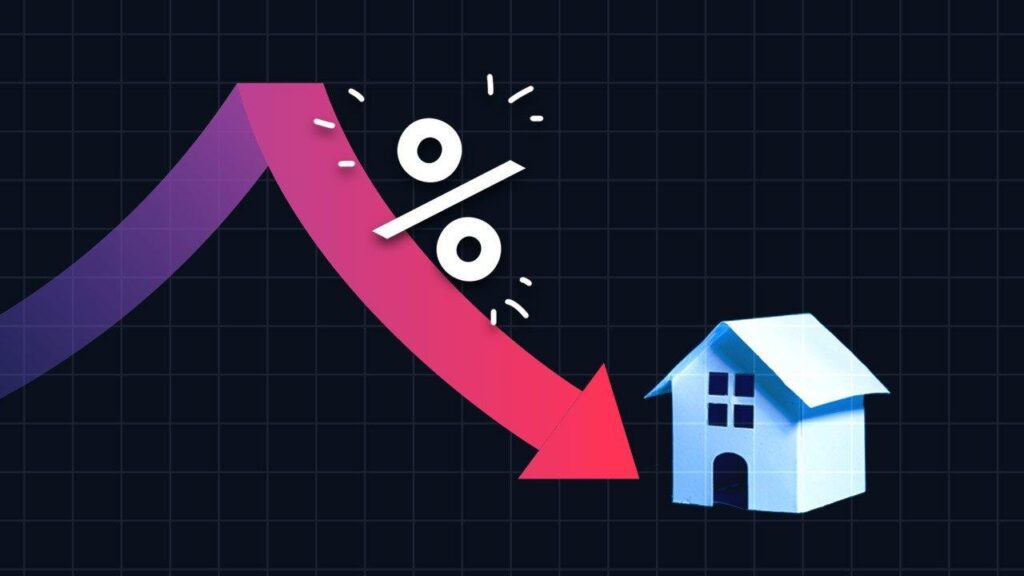
Treasury yields and mortgage rates moved back into focus on Friday, July 17, 2026, as investors reacted to a complicated mix of economic data, inflation concerns, and renewed conflict in the Middle East.
The movement was highlighted in CNBC’s July 17 Treasury market report.
The 10 year Treasury yield fell toward 4.53% during morning trading, while the 2 year yield also declined. By the end of the session, the 10 year was near 4.55% and the 2 year was around 4.18%. The move was meaningful, but it did not create an immediate or guaranteed drop in consumer mortgage rates.
For homebuyers, the important takeaway is that the bond market is still searching for direction. Investors are balancing signs of cooling inflation and possible economic weakness against higher oil prices, geopolitical risk, and economic reports that continue to show pockets of strength.
Why Treasury Yields Fell
Treasury yields generally fall when demand for government bonds rises. Bond prices and yields move in opposite directions. When investors become concerned about economic growth, geopolitical instability, or stock market volatility, they often move money into U.S. Treasury securities.
Fresh military strikes involving the United States and Iran increased uncertainty across global markets. Investors were also watching the potential effect on oil shipments and the Strait of Hormuz, one of the world’s most important energy routes. Higher geopolitical risk can push investors toward safer assets, including Treasury bonds.
Falling yields suggested traders were not focused only on the inflation risk created by higher oil prices. Conflict in an oil producing region can push yields higher through inflation fears, but it can also create safe haven demand that pushes yields lower. Both forces were present.
The Economic Data Sent Mixed Signals
The domestic economic outlook added another layer of uncertainty.
Recent inflation reports had shown some moderation, which reduced expectations that the Federal Reserve would need to quickly raise interest rates again. That supported Treasury prices and placed downward pressure on yields.
However, Friday’s data was not entirely reassuring.
U.S. import prices unexpectedly increased 0.3% in June. Economists had expected a decline. Rising import costs can eventually contribute to higher consumer prices, especially when businesses pass those costs to customers.
Consumer sentiment provided a more positive signal. The University of Michigan’s preliminary July reading rose to 54.4, above the 51.0 economists expected and up from 49.5 in June.
Even so, sentiment remained below its level from one year earlier, and the survey was largely completed before the latest escalation in the Middle East.
Higher gasoline prices can quickly change how consumers feel about their finances. The market is receiving conflicting messages. Inflation may be cooling in some areas, but energy and import costs remain risks. Consumers may feel somewhat better, but confidence is fragile.
What the 10 Year Treasury Means for Mortgage Rates
The 10 year Treasury yield does not directly set mortgage rates, but the two tend to move in the same general direction.
Most homeowners do not keep a 30 year mortgage for the full term. Because loans are often paid off through a sale or refinance, mortgage backed securities are commonly compared with intermediate and longer term Treasury securities, especially the 10 year note.
When the 10 year yield falls, mortgage rates may also move lower. The change is not always immediate, and the size of the move is not always equal.
Mortgage rates include additional pricing for risk, servicing, market volatility, lender capacity, and investor demand for mortgage backed securities. During uncertain markets, the difference between Treasury yields and mortgage rates can remain wider than borrowers expect.
For a deeper explanation, read Why the 10 Year Treasury Yield Matters for Mortgage Rates.
Does This Mean Mortgage Rates Are About to Fall?
Not necessarily.
A one day decline in Treasury yields can help mortgage pricing, but it does not establish a long term trend. Mortgage rates can improve quickly when the bond market rallies, then reverse after a stronger economic report, an inflation surprise, or a change in oil prices.
The market is currently reacting to several competing forces:
- Cooler inflation data may reduce pressure on the Federal Reserve.
- Higher oil prices may create new inflation concerns.
- Geopolitical uncertainty may increase demand for safer investments.
- Stronger economic data may keep longer term yields elevated.
- Weaker growth expectations may pull yields lower.
Until one force becomes dominant, mortgage rates may remain volatile.
Recent mortgage pricing has already shown how quickly conditions can change. Read our latest breakdown in Mortgage Rates Hit 6.55% in July 2026.
What Homebuyers Should Do Right Now
Homebuyers should avoid trying to perfectly time the bond market.
Treasury yields can change throughout the day, and mortgage lenders can reprice rates when market conditions move significantly. A quote received in the morning may not be available later that afternoon.
Instead of waiting for a dramatic rate drop, buyers should focus on the payment they can realistically afford.
Use the free mortgage payment calculator to test different interest rates, down payments, property taxes, homeowners insurance, and loan amounts.
Even a small rate change can affect the monthly payment, but so can a change in purchase price or down payment.
Buyers should also ask their lender about rate lock options. A lock can protect the borrower from a rate increase during the closing process, although the terms, cost, and available lock periods vary by lender.
Being financially prepared matters more than guessing where rates will be next week. Before touring homes seriously, buyers should understand their credit, available funds, expected payment, and likely loan program.
Our guide, Don’t Start House Hunting Until You Do This One Thing, explains why preparation should come before the property search.
What Current Homeowners Should Watch
Homeowners considering a refinance should also pay attention to Treasury yields, but a lower market rate does not automatically make refinancing worthwhile.
The decision depends on the new interest rate, closing costs, remaining loan balance, expected time in the home, and how long it will take to recover the cost of refinancing.
A brief dip may create an opportunity for homeowners with higher existing rates, but the best approach is to compare the total monthly savings with the cost of the new loan.
A lower interest rate is helpful only when it creates a meaningful financial benefit after closing costs are considered.
What Could Move Rates Next?
Mortgage rates could continue improving if investors become more concerned about economic growth, inflation continues cooling, or demand for Treasury bonds increases.
Rates could move higher again if oil prices continue rising, inflation data comes in hotter than expected, or economic reports show enough strength to keep the Federal Reserve concerned about price pressures.
The Middle East conflict adds another source of uncertainty. A de-escalation could reduce some of the demand for safe haven investments. A prolonged conflict could increase both recession concerns and energy inflation, creating an unpredictable reaction in the bond market.
This does not mean buyers should react to every headline. It means borrowers should expect mortgage pricing to remain sensitive to economic reports and global events.
The Bottom Line
Friday’s decline in Treasury yields was encouraging for borrowers, but it was not a clear signal that mortgage rates are entering a sustained downward trend.
The bond market is weighing softer inflation data against rising import costs, stronger consumer sentiment, higher oil prices, and renewed Middle East conflict. Those forces can pull interest rates in different directions from one day to the next.
Homebuyers should watch the 10 year Treasury, but they should not base a major financial decision on a single market move.
Focus on affordability, compare loan options, prepare your documentation, and make decisions based on a payment that works for your household.
Mortgage rates may improve when Treasury yields fall. The real question is whether the improvement lasts long enough, and becomes large enough, to meaningfully change the cost of buying or refinancing a home.
This article is for educational purposes only and is not financial or lending advice. Mortgage rates, loan terms, and qualification requirements vary by lender and borrower.
Mortgage guidelines and lender requirements can change. This article is general education, not financial, legal, lending, or appraisal advice. Confirm requirements for your situation with an appropriate qualified professional.