On This Page
On This Page- Why the Fed Stopped Cutting Rates
- What the Vote Tells Us
- Powell’s Message: We’re Near Neutral
- Inflation Isn’t One Big Problem Anymore
- Why Strong GDP Numbers Aren’t Forcing Cuts
- Politics, Pressure, and Fed Independence
- So When Might Rates Actually Come Down Again?
- What This Means for Borrowers and Consumers
- The Bottom Line
The Federal Reserve officially hit pause this week. After cutting interest rates three times in a row at the end of last year, the Fed announced it will leave rates unchanged, keeping the federal funds rate in a range of 3.5% to 3.75%. At first glance, that might sound like bad news for borrowers hoping […]
The Federal Reserve officially hit pause this week.
After cutting interest rates three times in a row at the end of last year, the Fed announced it will leave rates unchanged, keeping the federal funds rate in a range of 3.5% to 3.75%. At first glance, that might sound like bad news for borrowers hoping for cheaper money. But the decision itself says a lot about how the Fed views the economy right now.
And it’s more nuanced than “rates are staying high.”
Why the Fed Stopped Cutting Rates
Last fall, the Fed cut rates in September, October, and December, each time by 25 basis points. Those cuts were aimed at preventing a deeper slowdown in the labor market as hiring softened following major tariff changes earlier in the year, according to reporting from Reuters.
Now the Fed is asking a harder question: Have those cuts done enough?
The economic data is mixed.
Job growth has slowed, with recent jobs reports showing weaker overall gains, even though the private sector continues to add jobs. At the same time, unemployment isn’t surging. It’s leveling off, not spiraling, according to labor data cited by Reuters and The Wall Street Journal.
Inflation is the other half of the equation. The Fed’s preferred inflation measure, the Personal Consumption Expenditures index, is still running near 2.9% year over year, well above the Fed’s 2% target. That’s lower than recent highs, but not low enough for policymakers to feel completely comfortable, per Federal Reserve commentary reported by Reuters.
So the Fed chose to wait.
In plain terms, they want to see how the previous rate cuts work their way through the economy before doing more.
What the Vote Tells Us
This wasn’t a split decision in the dramatic sense.
The Federal Open Market Committee voted 10–2 to hold rates steady. Two governors, Christopher Waller and Stephen Miran, dissented and favored another quarter-point cut. Everyone else agreed that staying put made sense for now, according to Reuters.
That split highlights the real debate inside the Fed. Some officials worry that keeping rates too high for too long could weaken hiring further. Others worry that cutting too quickly could let inflation hang around longer than it should.
They’re not arguing about direction. They’re arguing about timing.
Powell’s Message: We’re Near Neutral
Fed Chair Jerome Powell made a key point during his press conference.
He said interest rates are now close to “neutral.” That’s the level where rates neither stimulate nor slow the economy. Powell admitted it’s not an exact number and described it as “in the eye of the beholder,” according to Reuters coverage of the meeting.
After roughly 175 basis points of cuts over the past year and a half, the Fed believes policy is no longer meaningfully restrictive. That puts them in a position to let incoming data guide the next move.
Translated: We’ve already done a lot. Now we wait.
Inflation Isn’t One Big Problem Anymore
One of the more important things Powell said had less to do with rates and more to do with what’s driving inflation now.
According to Powell, much of the remaining inflation pressure is coming from goods prices, not services, and a large part of that is tied to tariffs, as reported by Reuters.
That matters.
Inflation driven by strong consumer demand is harder to control. Inflation driven by tariffs tends to show up as a one-time price increase that fades over time. Powell said the Fed expects tariff-related inflation to peak and ease later this year, assuming there are no new major tariff hikes.
Meanwhile, services inflation has already been cooling, which gives the Fed more room to be patient.
Why Strong GDP Numbers Aren’t Forcing Cuts
Some critics ask why the Fed isn’t cutting rates faster when recent GDP reports look strong.
Powell addressed that directly.
Quarterly GDP numbers can be noisy and volatile. Looking at growth over the past year paints a steadier picture, with the economy growing at roughly a mid-2% pace, according to Reuters and Financial Times reporting.
That’s solid growth, but it’s not overheating. From the Fed’s perspective, there’s no emergency forcing immediate action.
Politics, Pressure, and Fed Independence
This decision also comes amid unusually loud political pressure.
The White House has publicly pushed for faster rate cuts. Powell has pushed back just as publicly, emphasizing that the Fed’s job is to follow data, not politics. That stance has been widely reported by Reuters.
Ironically, the pressure may have strengthened Powell’s position. Lawmakers from both parties have defended the Fed’s independence, and economists say the controversy likely makes the Fed even more cautious about appearing politically influenced.
So When Might Rates Actually Come Down Again?
Most economists still expect more rate cuts later this year.
According to Bankrate and Reuters, the prevailing forecast calls for two cuts, possibly starting around mid-year, assuming inflation continues to cool and the labor market doesn’t reaccelerate unexpectedly.
The Fed isn’t done easing. It’s just waiting for confirmation.
What This Means for Borrowers and Consumers
For borrowers, this pause does not mean rates are going back up. It means the fast pace of cuts has slowed.
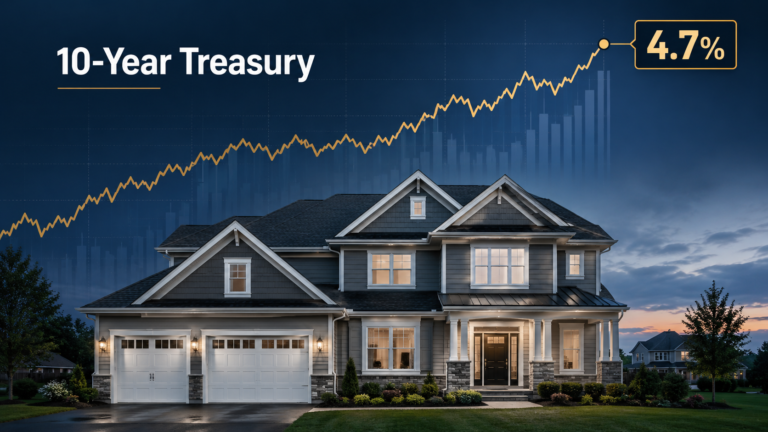
Mortgage rates, auto loans, and credit costs depend on many factors beyond the Fed’s short-term rate, including inflation expectations and bond markets.
For consumers, confidence may be the bigger issue. Surveys show consumer sentiment remains weak despite steady economic growth, a disconnect the Fed is watching closely, according to Reuters.
The Bottom Line
This wasn’t a reversal. It was a checkpoint.
After cutting rates aggressively to stabilize the economy, the Fed is now stepping back to see how those moves play out. Inflation is still above target, but its sources are changing. The labor market is slower, but not breaking. Growth is solid, but not overheated.
In this environment, waiting isn’t indecision.
It’s discipline.
Mortgage guidelines and lender requirements can change. This article is general education, not financial, legal, lending, or appraisal advice. Confirm requirements for your situation with an appropriate qualified professional.