On This Page
On This Page- The Role of Bankruptcy in FHA Lending
- FHA Loans After Chapter 7 Bankruptcy
- FHA Loans After Chapter 13 Bankruptcy
- What FHA Underwriters Actually Look For
- Common Misunderstandings Borrowers Face
- Appraisal Considerations After Bankruptcy
- Lender Overlays and Why They Matter
- Preparing for an FHA Loan After Bankruptcy
- A Realistic Path Forward
Bankruptcy is one of the most misunderstood topics in mortgage lending. Many buyers assume that once they file bankruptcy, homeownership is off the table for years. Others are told they qualify immediately, only to hit unexpected underwriting roadblocks later. The truth sits somewhere in between. FHA loans are often the most flexible option for buyers […]
Bankruptcy is one of the most misunderstood topics in mortgage lending. Many buyers assume that once they file bankruptcy, homeownership is off the table for years. Others are told they qualify immediately, only to hit unexpected underwriting roadblocks later.
The truth sits somewhere in between.
FHA loans are often the most flexible option for buyers recovering from bankruptcy, but there are firm rules, gray areas, and lender overlays that matter. This article explains how FHA actually treats bankruptcy in underwriting and appraisal, what waiting periods really apply, and the issues borrowers run into in the real world.
The Role of Bankruptcy in FHA Lending
FHA does not view bankruptcy as an automatic disqualifier. Instead, it looks at bankruptcy as a financial reset point. The focus after that reset is whether the borrower has reestablished responsible credit and financial stability.
Underwriting is not just checking a box that a certain amount of time has passed. Lenders review payment history since the bankruptcy, income stability, and whether new credit has been handled properly. Appraisals are not directly impacted by bankruptcy, but underwriting decisions absolutely are.
The type of bankruptcy filed matters, and FHA treats Chapter 7 and Chapter 13 very differently.
FHA Loans After Chapter 7 Bankruptcy
Chapter 7 is a liquidation bankruptcy. Debts are discharged, and the case is typically completed within a few months.
For FHA loans, the standard waiting period after a Chapter 7 bankruptcy discharge is two years. This is a fixed FHA rule and not optional.
The two year clock starts from the discharge date, not the filing date. This distinction matters and trips up a lot of borrowers. Underwriters will verify the actual discharge date through court records, not just what appears on a credit report.
During those two years, FHA expects borrowers to show reestablished credit. This does not mean perfect credit, but it does mean responsible use. Late payments after bankruptcy are heavily scrutinized. A pattern of missed payments can kill an FHA approval even if the waiting period has passed.
Some lenders also require a minimum number of open trade lines or a minimum credit score that is higher than FHA’s baseline. These are lender overlays, not FHA rules, but they are very common.
FHA Loans After Chapter 13 Bankruptcy
Chapter 13 is a repayment plan bankruptcy. The borrower agrees to repay some or all debts over a three to five year period.
FHA allows borrowers to qualify for a loan while still in a Chapter 13 plan, but this is where things get complicated.
There is no mandatory waiting period after filing Chapter 13. However, the borrower must have made at least 12 months of on time payments to the bankruptcy trustee. Those payments must be documented and verified.
In addition, the borrower must receive written permission from the bankruptcy court or trustee to incur new debt. This approval is non negotiable.
If the Chapter 13 has been discharged, FHA technically allows financing immediately. That said, many lenders impose overlays requiring a waiting period of 12 to 24 months after discharge. Borrowers often hear conflicting answers because of this difference between FHA rules and lender policies.
From an underwriting perspective, Chapter 13 files receive deeper scrutiny. Underwriters look closely at why the bankruptcy was filed, whether the causes have been resolved, and how the borrower has handled credit during and after the plan.
What FHA Underwriters Actually Look For
Time since bankruptcy is only one part of the decision.
Underwriters focus heavily on payment history after bankruptcy. A single late payment can be explained. Multiple late payments are a red flag. Mortgage payments, rent, and auto loans carry more weight than small credit cards.
Stable income is another major factor. FHA prefers a consistent two year employment history or a clear explanation of any changes. Frequent job hopping or declining income can stall an approval even if credit meets guidelines.
Debt to income ratios matter as well. FHA allows higher ratios than conventional loans, but high debt loads right after bankruptcy can raise concerns. Underwriters want to see that the borrower is not rebuilding debt too aggressively.
Cash reserves are not required on most FHA purchases, but having reserves strengthens the file significantly after bankruptcy. It helps demonstrate financial recovery and risk management.
Common Misunderstandings Borrowers Face
One of the biggest misconceptions is that FHA approval is automatic once the waiting period ends. It is not. FHA sets minimum standards, but lenders make the final call.
Another common issue is disputed accounts on credit reports. Many borrowers dispute old accounts after bankruptcy. FHA does not allow disputed accounts that affect debt ratios unless they are resolved. This causes last minute underwriting issues more often than people realize.
Borrowers also misunderstand collections after bankruptcy. FHA does not require all collections to be paid, but underwriters may include payment estimates in debt ratios depending on the balance and type of account. Again, lender overlays come into play here.
Finally, many buyers assume bankruptcy erases the need for a solid down payment and closing funds. FHA allows a low down payment, but borrowers still need verified funds and a clean paper trail. Large undocumented deposits can delay or derail approval.
Appraisal Considerations After Bankruptcy
While bankruptcy itself does not affect the appraisal, FHA appraisals are strict and often catch buyers off guard.
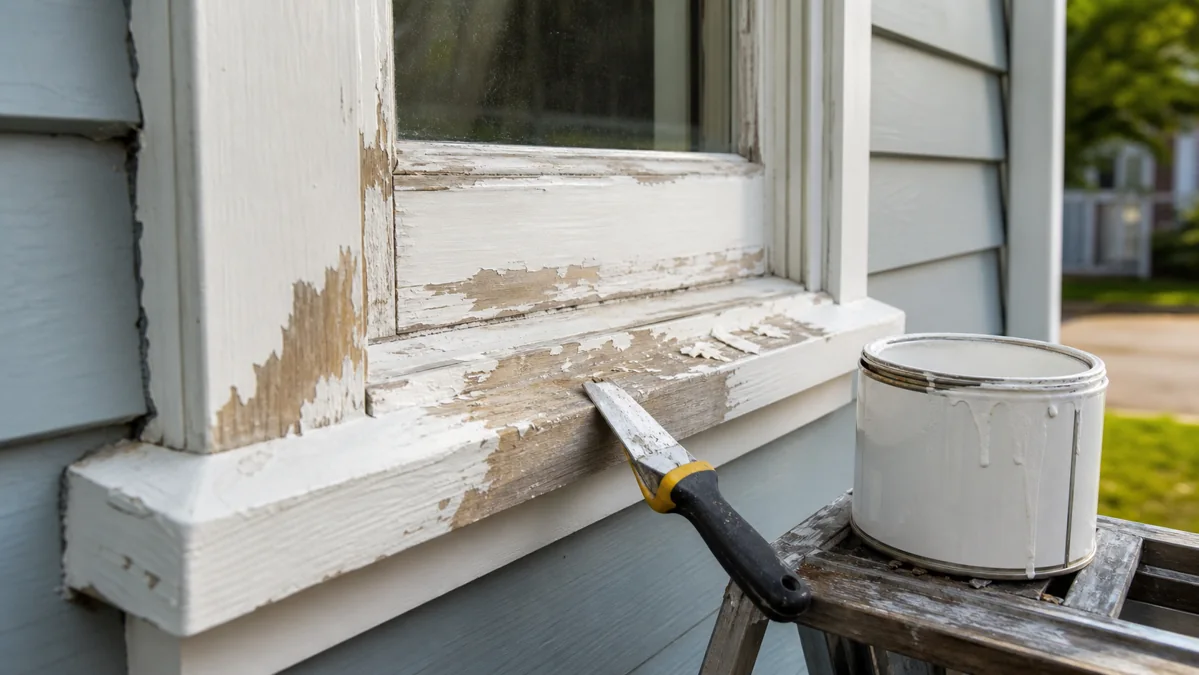
FHA appraisals focus on safety, soundness, and security. Deferred maintenance issues like peeling paint, missing handrails, roof problems, or non functioning utilities must be addressed before closing.
Buyers coming out of bankruptcy are often stretching budgets. When an appraisal requires repairs, it can create stress or kill a deal if the seller refuses to cooperate.
It is important for buyers to understand that FHA appraisals are property based, not borrower based. A perfect credit recovery does not override a failing appraisal.
Lender Overlays and Why They Matter
Lender overlays are additional rules imposed by individual lenders. FHA does not require them, but lenders are allowed to add them.
Common overlays after bankruptcy include higher minimum credit scores, longer waiting periods, or stricter payment history requirements. Some lenders refuse to finance borrowers still in Chapter 13, even though FHA allows it.
This is why one lender may deny a borrower while another approves the same file. It does not mean FHA changed the rules. It means lenders interpret risk differently.
Shopping lenders is not about rate only. It is about finding one whose overlays align with your situation.
Preparing for an FHA Loan After Bankruptcy
The strongest FHA files after bankruptcy are boring ones. Steady income, clean payment history, modest debt, and documented savings.
Avoid opening unnecessary credit. Pay everything on time. Keep bank accounts clean and avoid cash deposits that cannot be sourced.
If you are in a Chapter 13 plan, communicate early with your trustee about your intent to buy. Waiting until you are under contract is a mistake.
Work with professionals who understand FHA underwriting and appraisal standards. Many problems can be avoided with proper planning.
A Realistic Path Forward
Bankruptcy does not permanently block homeownership, but it does change the path. FHA provides flexibility, not shortcuts.
Understanding the real rules, the gray areas, and the role of lender overlays helps set realistic expectations. Buyers who prepare properly often qualify sooner and with far less stress.
An FHA loan after bankruptcy is not about gaming the system. It is about proving financial recovery, stability, and readiness for long term ownership. When those boxes are checked, FHA can be a powerful tool for rebuilding.
Mortgage guidelines and lender requirements can change. This article is general education, not financial, legal, lending, or appraisal advice. Confirm requirements for your situation with an appropriate qualified professional.