On This Page
On This Page- FHA Appraisals Are About More Than Value
- Utilities Not On or Not Functioning
- Peeling or Chipping Paint
- Roof Condition and Remaining Life
- Missing Handrails and Safety Hazards
- Electrical, Plumbing, and HVAC Issues
- Basement and Crawl Space Problems
- Accessory Structures and Detached Improvements
- Appraisal Repairs Versus Underwriting Repairs
- Lender Overlays Make a Difference
- How to Reduce FHA Appraisal Delays
- Why These Delays Keep Happening
FHA loans are often marketed as flexible and first time buyer friendly. What buyers are rarely warned about is how often FHA appraisals become the bottleneck that delays or kills a closing. Most of these issues are not surprises to underwriters or appraisers, but they catch borrowers and sellers off guard because no one explained […]
FHA loans are often marketed as flexible and first time buyer friendly. What buyers are rarely warned about is how often FHA appraisals become the bottleneck that delays or kills a closing. Most of these issues are not surprises to underwriters or appraisers, but they catch borrowers and sellers off guard because no one explained how FHA actually works.
This post breaks down the most common FHA appraisal problems that delay closings, why they happen, and what borrowers can realistically do about them.
FHA Appraisals Are About More Than Value
An FHA appraisal is not just a valuation. It is also a minimum property standards inspection. The appraiser is required to identify health, safety, and security issues and condition items that could affect livability.
This is where FHA differs sharply from conventional loans. A home can be priced correctly and still fail FHA appraisal requirements.
Understanding that distinction upfront prevents a lot of frustration later.
Utilities Not On or Not Functioning
This is one of the most frequent and avoidable delays.
For FHA, utilities generally must be on and functioning at the time of appraisal. That includes electricity, water, and gas if gas service exists. The appraiser must be able to operate systems in a normal manner.
Vacant properties, bank owned homes, and estate sales often run into this problem. If utilities are off, the appraiser will usually condition the appraisal subject to utilities being turned on and systems being tested.
That triggers a reinspection, additional fees, and lost time.
Peeling or Chipping Paint
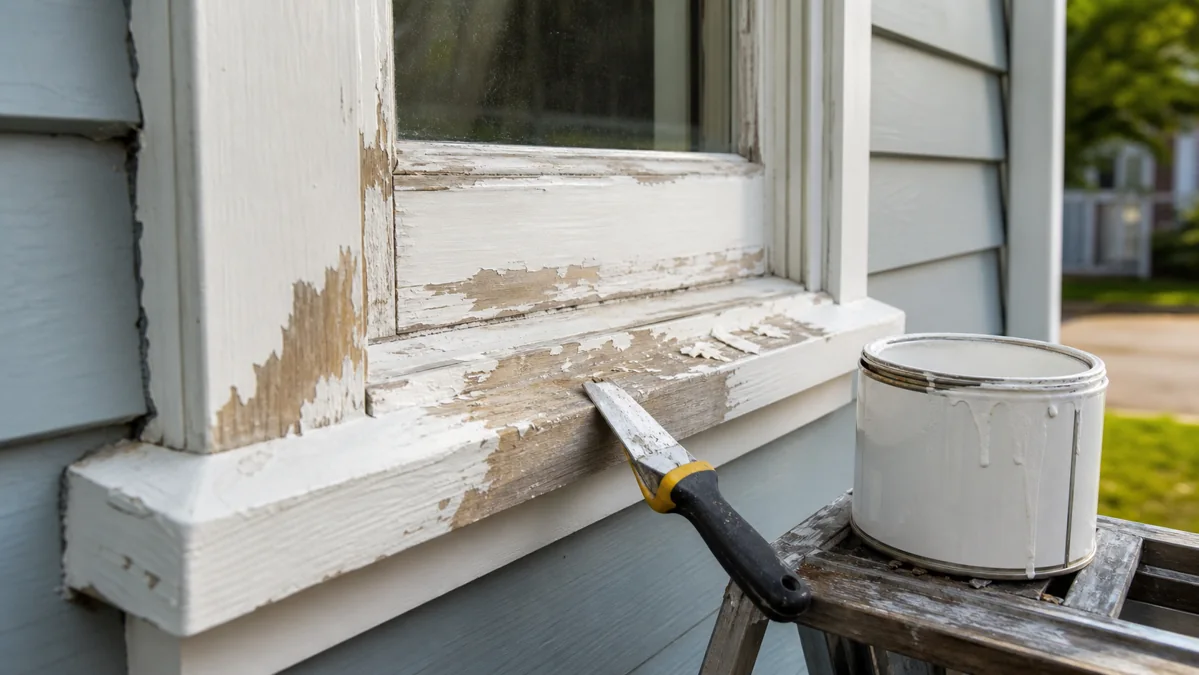
Any peeling, chipping, or flaking paint is an FHA issue, regardless of whether the home was built before or after 1978.
On older homes, the concern is lead based paint. On newer homes, the concern is still safety and durability. FHA does not differentiate in enforcement at the appraisal level.
This shows up most often on exterior trim, fascia boards, window sills, garages, sheds, and interior closets or basements.
Even small areas can stop a closing until repaired and reinspected.
Roof Condition and Remaining Life
FHA requires that the roof prevent moisture intrusion and have reasonable remaining life. Appraisers are not roof inspectors, but they are required to call out visible deficiencies.
Missing shingles, curling, active leaks, or obvious deterioration often result in a repair condition or a required roof inspection.
What delays closings is vague roof commentary. If an appraiser notes water damage inside the home without clearly stating the source or resolution, underwriting will usually require clarification or further inspection.
Missing Handrails and Safety Hazards
Handrails are required when there are multiple risers. This applies to interior and exterior stairs.
Other safety issues that commonly trigger conditions include exposed wiring, missing outlet covers, broken windows, trip hazards, and unsecured access points.
Borrowers often view these as minor items. FHA treats them as health and safety concerns that must be addressed before closing.
Electrical, Plumbing, and HVAC Issues
FHA requires that major systems appear safe and functional.
Examples that frequently delay closings include electrical panels with exposed wiring, plumbing leaks under sinks, non functioning heating systems in cold climates, or HVAC systems that cannot be operated.
If the appraiser cannot verify basic functionality, the appraisal will be made subject to repair or further inspection.
Basement and Crawl Space Problems
Basements and crawl spaces create recurring FHA issues.
Standing water, excessive moisture, mold like substances, missing vapor barriers, or inadequate access can all trigger conditions.
Crawl space access doors that are damaged or improperly secured also come up more often than people expect.
Accessory Structures and Detached Improvements
Sheds, garages, carports, and other detached structures are part of the property and must meet minimum standards.
If a shed has a collapsing roof, exposed wiring, or structural instability, it can delay the loan even if the structure adds no value.
FHA does not allow ignoring unsafe structures simply because they are not included in the value.
Appraisal Repairs Versus Underwriting Repairs
Another source of delay is confusion between what the appraiser requires and what underwriting adds later.
The appraiser may condition the report for specific visible issues. Underwriting may then add requirements based on FHA guidelines, lender overlays, or contradictions in the report.
This is why borrowers sometimes feel like the repair list keeps growing. It is not always the appraiser changing their mind.
Lender Overlays Make a Difference
Some lenders apply stricter interpretation of FHA rules than others.
One lender may accept a certain repair completion certification. Another may require a full reinspection. Some lenders require utilities on even in situations where FHA might allow limited exceptions.
These overlays are not always disclosed upfront, but they directly affect timelines.
How to Reduce FHA Appraisal Delays
The best way to avoid delays is preparation.
Before the appraisal, ensure utilities are on, obvious safety issues are addressed, and peeling paint is repaired. If the property is older or vacant, expect closer scrutiny.
Buyers should also understand that FHA is less forgiving with property condition. Choosing a lender experienced with FHA can help anticipate issues before they become last minute problems.
Why These Delays Keep Happening
FHA appraisal delays are rarely about nitpicking. They exist because FHA loans are designed to protect both the borrower and the insurance fund.
The problem is that most buyers are never taught how this plays out in real transactions.
Knowing what triggers delays allows borrowers and sellers to make informed decisions about loan type, property choice, and timing.
FHA can be an excellent loan option, but only when everyone involved understands the rules that actually matter once the appraisal is ordered.
Mortgage guidelines and lender requirements can change. This article is general education, not financial, legal, lending, or appraisal advice. Confirm requirements for your situation with an appropriate qualified professional.