On This Page
On This Page- Why FHA Looks Closer at Older Homes
- Peeling and Chipping Paint Is the Most Common Issue
- Exposed Wood and Rot
- Roof Condition Gets Extra Scrutiny
- Utilities Must Be On and Functioning
- Electrical and Safety Issues
- Handrails, Steps, and Fall Hazards
- Windows, Doors, and Egress
- Crawl Spaces, Basements, and Moisture
- Cosmetic Issues Versus FHA Issues
- Lender Overlays Can Add Another Layer
- How Buyers Can Prepare When Buying an Older Home
- Understanding the Purpose Behind the Flags
Older homes attract a lot of FHA buyers. They are often more affordable, located in established neighborhoods, and full of character you do not get with newer construction. At the same time, older homes are far more likely to trigger issues during an FHA appraisal. This does not mean older homes cannot qualify for FHA […]
Older homes attract a lot of FHA buyers. They are often more affordable, located in established neighborhoods, and full of character you do not get with newer construction. At the same time, older homes are far more likely to trigger issues during an FHA appraisal.
This does not mean older homes cannot qualify for FHA financing. Many do. It does mean buyers need to understand what FHA appraisers are required to look for and why certain things get flagged over and over again.
This article explains what typically causes problems in FHA appraisals for older homes, how strict those rules really are, and what buyers should realistically expect.
Why FHA Looks Closer at Older Homes
FHA appraisals are not just about value. They also verify that a property meets FHA Minimum Property Requirements. These requirements focus on safety, security, and basic livability.
Older homes naturally present more risk in these areas because:
- Building materials wear down over time
- Older construction methods may not meet modern safety expectations
- Deferred maintenance is more common
- Past repairs may not have been done correctly
FHA does not expect perfection, but it does expect a home to be safe and functional on day one.
Peeling and Chipping Paint Is the Most Common Issue
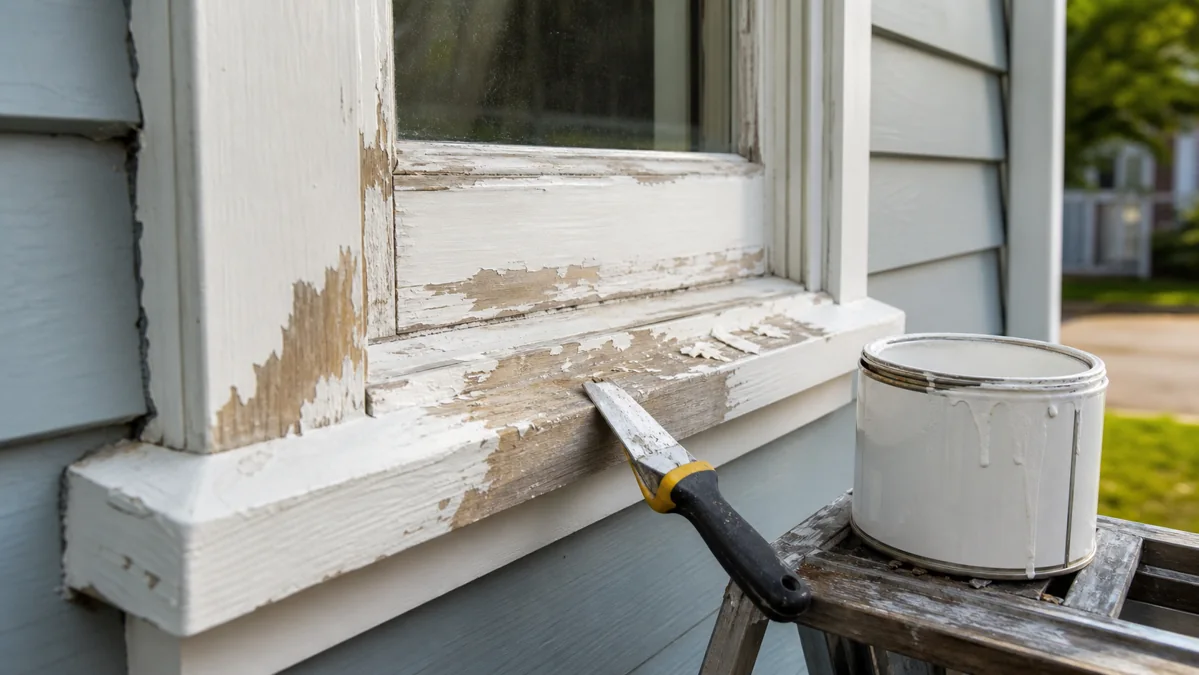
For homes built before 1978, peeling or chipping paint is one of the most frequent FHA flags.
This is tied to lead based paint concerns. FHA does not test for lead paint during the appraisal, but it does require any peeling, chipping, or flaking paint to be repaired.
This applies to:
- Exterior siding and trim
- Windows and doors
- Fascia, soffits, and porch railings
- Interior walls, ceilings, and trim
Even small areas can be flagged. The appraiser is required to note it if they see it. Repairs must be completed and reinspected before closing.
Exposed Wood and Rot
Older homes often have exterior wood components that have been exposed to weather for decades.
Common problem areas include:
- Window trim
- Door frames
- Porch posts
- Deck boards
- Fascia boards
If wood is exposed but still solid, the appraiser may require it to be scraped, sealed, and painted. If the wood is rotted or deteriorated, it may require replacement.
FHA cares less about appearance and more about long term durability and safety.
Roof Condition Gets Extra Scrutiny
FHA does not require a new roof, but it does require a roof with remaining useful life.
On older homes, appraisers look closely for:
- Missing or curling shingles
- Visible leaks or water staining
- Sagging roof lines
- Heavy moss or deterioration
If the roof appears to be at the end of its useful life or actively leaking, the appraisal will be made subject to repair or replacement.
Importantly, the appraiser does not need to call for a roof inspection to flag a roof issue. Visual evidence alone is enough.
Utilities Must Be On and Functioning
This surprises many buyers of older homes, especially fixer uppers.
In most cases, FHA requires:
- Electricity on and operational
- Water on and flowing
- Gas on if the home uses gas
If utilities are off, the appraisal is often incomplete. Even if the home is vacant or winterized, lenders usually require utilities to be activated for inspection.
There are limited exceptions, but they must be clearly documented and accepted by the lender. Buyers should never assume an exception will be granted.
Electrical and Safety Issues
Older electrical systems are not automatically disqualifying, but obvious safety concerns will be flagged.
Examples include:
- Exposed wiring
- Missing outlet covers
- Non functional fixtures
- Improperly installed electrical components
FHA does not require homes to be updated to modern electrical standards, but they must not present a safety hazard.
Handrails, Steps, and Fall Hazards
Older homes often have stairs, porches, or basements that do not meet modern safety expectations.
FHA requires handrails where there are multiple steps, especially if there is a risk of falling.
Common issues include:
- Missing handrails on staircases
- Loose or unstable steps
- Uneven walking surfaces
- Unsafe decks or porches
These are typically straightforward repairs, but they must be completed before closing.
Windows, Doors, and Egress
Windows and doors in older homes are closely reviewed for basic functionality.
Appraisers will note:
- Broken or cracked glass
- Windows that do not open or close properly
- Doors that do not latch or secure
- Bedroom egress issues in some layouts
FHA does not require energy efficient windows or modern upgrades. They do require windows and doors to function as intended.
Crawl Spaces, Basements, and Moisture
Older homes often have crawl spaces or basements that show signs of age.
Appraisers look for:
- Standing water
- Excessive moisture
- Structural concerns
- Unsafe access points
Ventilation issues and moisture intrusion may trigger further review or repair requirements.
Cosmetic Issues Versus FHA Issues
A key misunderstanding among buyers is assuming FHA flags cosmetic problems.
FHA does not care about:
- Outdated finishes
- Old cabinets
- Worn but intact flooring
- Style or design choices
If something gets flagged, it is because it affects safety, security, or livability, not because it looks old.
Lender Overlays Can Add Another Layer
Even when an FHA appraisal meets minimum requirements, some lenders impose stricter standards.
Examples include:
- Requiring utilities to be on with no exceptions
- Requiring roof certifications in borderline cases
- Requiring additional inspections on older homes
These are lender overlays, not FHA rules, but they affect real transactions.
How Buyers Can Prepare When Buying an Older Home
The best way to avoid FHA appraisal surprises is preparation.
Buyers should:
- Walk the property carefully before making an offer
- Look for obvious paint, safety, and utility issues
- Ask whether utilities are on and functioning
- Budget time for possible repairs
Working with an agent and lender experienced with FHA and older homes makes a significant difference.
Understanding the Purpose Behind the Flags
FHA appraisal requi
Mortgage guidelines and lender requirements can change. This article is general education, not financial, legal, lending, or appraisal advice. Confirm requirements for your situation with an appropriate qualified professional.