On This Page
On This Page- The Purpose of the Appraisal Is Not the Same
- FHA Appraisal Minimum Property Requirements
- Conventional Appraisals and Condition Flexibility
- Utilities and FHA Appraisals
- Repairs and Reinspection Requirements
- Health and Safety vs Cosmetic Issues
- Appraisal Conditions and Underwriting Review
- Lender Overlays Play a Role in Both
- Older Homes and FHA Appraisals
- Choosing Between FHA and Conventional Based on the Property
- A Realistic Way to Look at FHA vs Conventional Appraisals
One of the biggest surprises for buyers is learning that not all appraisals work the same way. An FHA appraisal is very different from a conventional appraisal, not because FHA is trying to make things difficult, but because the purpose of the loan is different. If you are choosing between FHA and conventional financing, understanding […]
One of the biggest surprises for buyers is learning that not all appraisals work the same way. An FHA appraisal is very different from a conventional appraisal, not because FHA is trying to make things difficult, but because the purpose of the loan is different.
If you are choosing between FHA and conventional financing, understanding how the appraisal process works can save you time, stress, and unexpected delays. This is especially important for first time buyers who may be looking at older homes, fixer uppers, or properties that are not perfectly updated.
This article breaks down the real differences between FHA and conventional appraisals, how underwriting treats them, and what actually causes deals to stall or fall apart.
The Purpose of the Appraisal Is Not the Same
At a high level, both FHA and conventional appraisals determine market value. That part is similar. The difference is that FHA appraisals also focus heavily on property condition and safety.
FHA loans are insured by the government. Because of that, FHA requires the property to meet minimum property requirements. These requirements are designed to ensure the home is safe, sound, and sanitary at the time of closing.
Conventional loans are backed by private investors. As long as the home supports the value and the risk is acceptable, condition issues are often handled with more flexibility.
FHA Appraisal Minimum Property Requirements
FHA appraisals include a condition review that goes beyond value. The appraiser is required to call out issues that could affect safety, livability, or structural integrity.
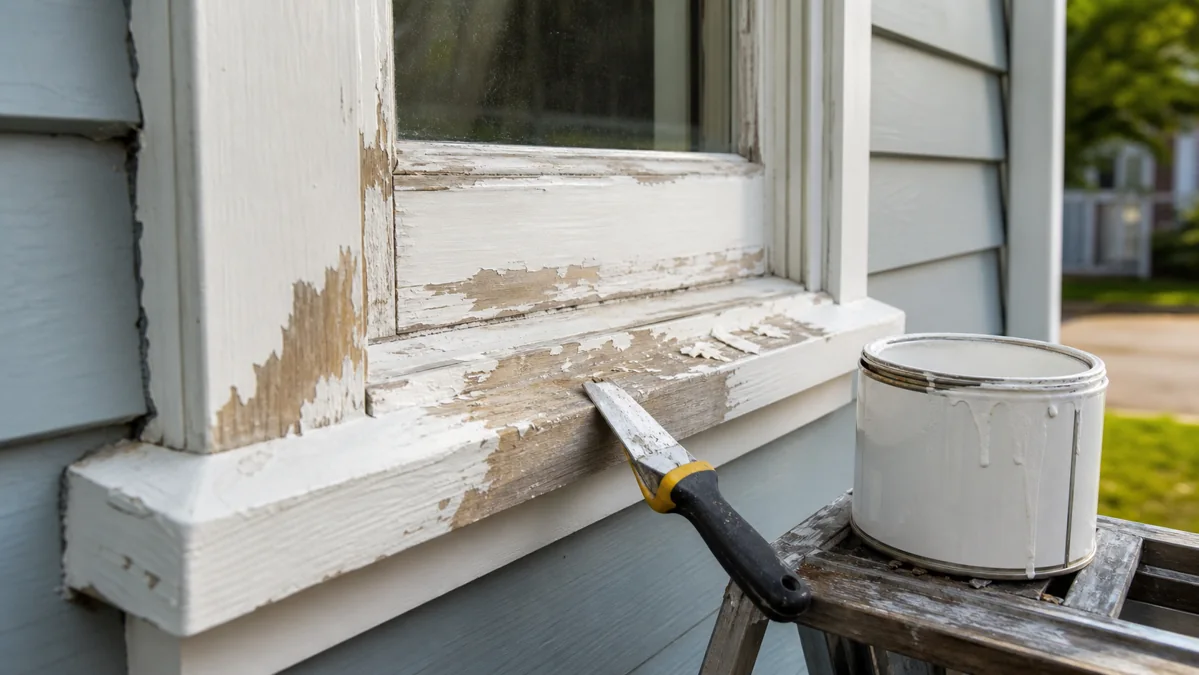
Common FHA requirements include working utilities, safe access to the property, no exposed wiring, no active roof leaks, and no peeling paint on homes built before 1978.
The appraiser is not acting as a home inspector, but they are required to note obvious deficiencies. If an issue is observed, it often becomes a required repair before closing.
This is where many FHA transactions slow down. The loan cannot close until required repairs are completed and verified.
Conventional Appraisals and Condition Flexibility
Conventional appraisals are primarily focused on value and marketability. The appraiser will note condition, but repairs are not automatically required unless the issue affects value or poses a major risk.
For example, peeling paint or missing handrails may be noted, but they are not always conditions of closing on a conventional loan. Lenders may allow the buyer to handle repairs after closing.
This flexibility is why conventional loans are often easier for older homes or properties that need cosmetic work.
Utilities and FHA Appraisals
One fixed FHA rule is that utilities must be on and functioning at the time of the appraisal. Water, gas, and electricity need to be operational so the appraiser can verify systems.
If a property is winterized or utilities are shut off, the FHA appraisal will usually be marked subject to utilities being turned on and re inspected.
Conventional appraisals are more flexible. In some cases, utilities can remain off if the appraiser can still form a credible opinion of value.
This difference alone causes many FHA delays, especially on vacant or bank owned properties.
Repairs and Reinspection Requirements
When an FHA appraisal calls for repairs, those repairs must be completed before closing. After completion, the appraiser must return to verify the work.
This reinspection adds time and cost. It also introduces risk if repairs are not completed correctly.
With conventional loans, repairs are often negotiated between buyer and seller without appraiser involvement. Some lenders may escrow for repairs. Others may waive them entirely depending on the issue.
Health and Safety vs Cosmetic Issues
FHA draws a line between cosmetic and safety issues, but that line is often misunderstood.
Cosmetic issues that also affect safety can become required repairs. Loose railings, broken windows, trip hazards, and exposed paint all fall into this category.
Conventional loans typically allow more tolerance for these issues unless they materially affect value or habitability.
This is why FHA is not always the best choice for homes that need work, even if the buyer is comfortable with repairs.
Appraisal Conditions and Underwriting Review
FHA underwriting reviews appraisal reports closely. Any condition noted by the appraiser must be addressed, explained, or resolved.
Underwriters are required to confirm that minimum property requirements are met. They cannot ignore appraisal conditions even if the borrower is willing to accept the risk.
Conventional underwriting often focuses more on the risk profile of the borrower and the loan. Property issues are reviewed, but lenders may have more discretion.
Lender Overlays Play a Role in Both
Even within FHA and conventional loans, lender overlays matter.
Some FHA lenders apply stricter interpretations of appraisal conditions than FHA guidelines require. Others allow more flexibility within the rules.
The same applies to conventional loans. One lender may require repairs that another lender allows to pass.
This is why two lenders can review the same appraisal and reach different conclusions.
Older Homes and FHA Appraisals
Older homes are not disqualified under FHA, but they do receive more scrutiny.
Paint, electrical systems, roofing, and heating systems are all closely reviewed. Issues that might pass conventional appraisal can trigger FHA repair conditions.
This does not mean FHA hates older homes. It means FHA expects them to meet modern safety standards.
Choosing Between FHA and Conventional Based on the Property
Many buyers choose FHA based on credit score or down payment, without considering the property itself.
If the home is newer, well maintained, and move in ready, FHA and conventional appraisals often feel similar.
If the home is older, distressed, or has deferred maintenance, conventional financing may offer fewer hurdles.
Understanding this before making an offer can prevent surprises after the appraisal.
A Realistic Way to Look at FHA vs Conventional Appraisals
FHA appraisals are not bad. They are just stricter.
They are designed to protect the borrower and the insurance fund by ensuring the home meets basic standards at closing.
Conventional appraisals are more flexible but place more responsibility on the buyer to accept the condition of the home.
Neither is better in every situation. The right choice depends on the borrower, the property, and how much risk and delay everyone is willing to accept.
Knowing the difference ahead of time allows buyers to make informed decisions instead of reacting to appraisal conditions after they appear.
Mortgage guidelines and lender requirements can change. This article is general education, not financial, legal, lending, or appraisal advice. Confirm requirements for your situation with an appropriate qualified professional.